
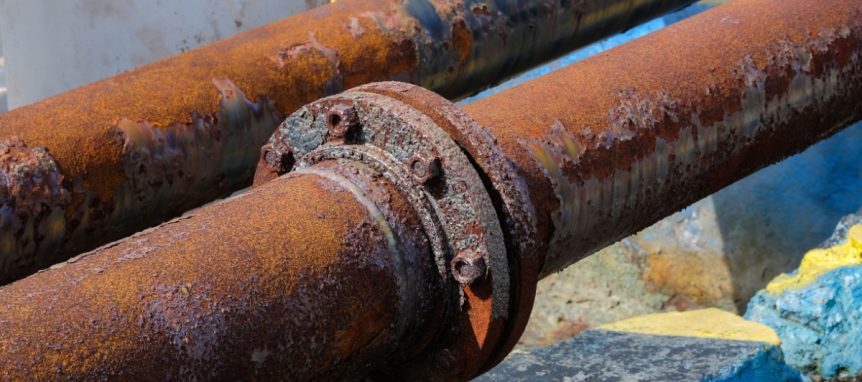
For many businesses, corrosion management is handled only when a problem becomes impossible to ignore. A rusted component fails, equipment stops working, or a safety concern suddenly appears, and action is taken. This reactive approach may feel practical in the short term, but over time it leads to higher costs, unexpected downtime, and avoidable risks. Shifting from reactive corrosion management to a preventive mindset is one of the most effective ways to protect equipment, facilities, and long-term operational stability.
The Problem With Reactive Corrosion Management
Reactive corrosion management means responding to rust only after it has already caused damage. By the time corrosion is visible or interfering with performance, it has often spread beyond the surface. Internal components, structural supports, and hidden areas may already be compromised, requiring more extensive repairs or full replacements.
This approach also disrupts operations. Equipment failures caused by rust rarely happen at convenient times. Emergency repairs can halt productivity, delay services, and strain maintenance budgets. In regulated industries, reactive maintenance can also lead to compliance issues if corrosion-related failures violate safety or operational standards.
Why Corrosion Is Often Overlooked
Rust tends to develop slowly and quietly, especially in humid environments like Florida. It often forms in hard-to-see areas such as inside HVAC units, behind panels, beneath insulation, or around fasteners and joints. Because these areas are not part of routine visual checks, corrosion can go unnoticed for months or even years.
Another reason corrosion is overlooked is the misconception that rust is purely cosmetic. In reality, corrosion weakens metal, reduces efficiency, and increases the likelihood of failure. Treating rust as a minor issue rather than a structural threat leads to delayed action and higher long-term costs.
The Preventive Approach to Corrosion Management
Preventive corrosion management focuses on stopping rust before it starts or addressing it at the earliest possible stage. This approach relies on regular inspections, early detection, and protective treatments designed for the environment in which the equipment operates.
Preventive strategies include scheduled rust inspections, moisture control, proper drainage, and the application of protective coatings or inhibitors. By identifying vulnerable areas early, businesses can address corrosion before it spreads, preserving both equipment performance and structural integrity.
In climates with high humidity and salt exposure, preventive corrosion management is especially important. Environmental factors accelerate oxidation, making routine monitoring and protection essential rather than optional.
Financial Benefits of Prevention
One of the strongest arguments for preventive corrosion management is cost control. Treating early-stage corrosion is significantly less expensive than repairing or replacing damaged equipment. Preventive care also reduces emergency maintenance, which often carries higher labor and material costs.
Beyond direct repair expenses, preventive corrosion management minimizes downtime. Equipment that remains rust-free operates more efficiently and reliably, supporting consistent productivity. Over time, these savings far outweigh the upfront investment in inspections and protective treatments.
Improving Safety and Compliance
Corrosion is not just a maintenance issue, it is a safety concern. Rust can weaken structural components, compromise electrical systems, and interfere with HVAC performance. In many facilities, these issues can lead to safety violations or increased liability if an incident occurs.
A preventive mindset helps ensure facilities remain compliant with safety regulations and industry standards. Regular inspections and documented corrosion control efforts demonstrate responsible facility management and reduce the risk of compliance-related penalties.
Making the Shift to Prevention
Changing from a reactive to a preventive approach requires a shift in planning and priorities. Corrosion management should be integrated into annual maintenance plans rather than treated as an occasional repair. Facility managers should identify high-risk areas and schedule regular evaluations based on environmental exposure and equipment usage.
Partnering with corrosion specialists can make this transition easier. Professionals like RustyGone provide inspections, rust removal, and long-term protective solutions designed specifically for Florida’s challenging conditions. Their expertise helps businesses move away from emergency fixes and toward sustainable corrosion control.
Prevention Is the Smarter Strategy
Reactive corrosion management may feel sufficient in the moment, but it comes with hidden costs, risks, and disruptions. A preventive approach protects equipment earlier, reduces expenses, improves safety, and supports long-term operational success. In environments where rust is an ongoing threat, prevention is not just smarter, it is necessary.
To transition your facility from reactive repairs to proactive corrosion management, contact RustyGone today. Their preventive rust solutions help businesses stay ahead of corrosion and avoid the consequences of waiting too long.