
Energy efficiency is a top priority for commercial building owners and property managers. Rising utility costs, sustainability goals, and tenant expectations all make efficient systems essential. However, one often overlooked factor that can significantly impact energy performance is rust. Corrosion may seem like a surface-level issue, but it has a direct and measurable effect on how efficiently building systems operate, especially in environments like Florida where humidity accelerates deterioration.
The Connection Between Rust and Energy Loss
Rust forms when metal reacts with moisture and oxygen, creating a layer of corrosion that weakens and degrades surfaces. In commercial buildings, this process affects critical systems such as HVAC units, piping, structural components, and mechanical equipment. As rust develops, it interferes with the normal operation of these systems, forcing them to work harder to achieve the same results.
When equipment operates under strain, it consumes more energy. This increased demand leads to higher utility bills and reduced overall system efficiency. Over time, even minor corrosion can translate into significant energy waste across a facility.
HVAC Systems and Efficiency Decline
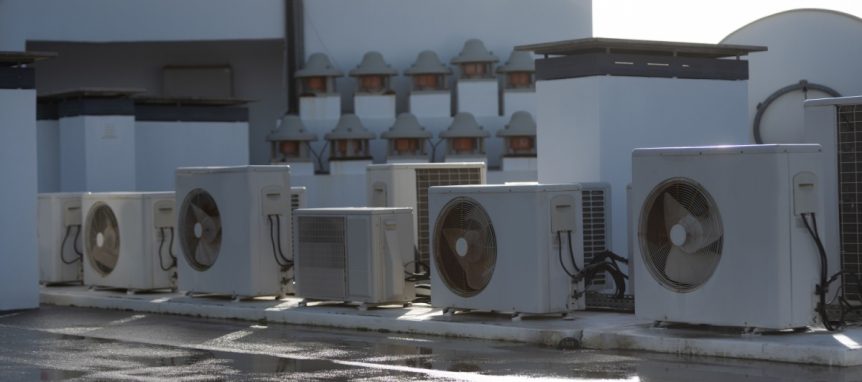
HVAC systems are among the most energy-intensive components in a commercial building, and they are also highly vulnerable to rust. Components such as coils, ducts, fans, and housing units are frequently exposed to moisture, making them prime targets for corrosion.
When rust forms on coils, it reduces their ability to transfer heat effectively. This means the system must run longer to cool or heat a space, increasing energy usage. Corroded ductwork can restrict airflow, forcing fans and motors to work harder to maintain circulation. Even small inefficiencies compound over time, leading to noticeable increases in energy consumption.
In Florida’s climate, where HVAC systems often run year-round, the impact of rust on efficiency is even more pronounced. Without proper maintenance, corrosion can quickly turn a high-performing system into an energy drain.
Increased Friction and Mechanical Strain
Rust does not only affect airflow and heat transfer, it also impacts moving parts within mechanical systems. Corrosion increases friction on components such as motors, bearings, and joints. As friction increases, equipment requires more power to operate, which directly raises energy consumption.
This added strain can also shorten the lifespan of equipment, leading to more frequent repairs and replacements. What begins as a small efficiency loss can evolve into a larger operational issue that affects both energy usage and long-term costs.
Airflow Restrictions and System Imbalance
Proper airflow is essential for maintaining consistent temperatures and efficient energy use. Rust buildup inside ducts, vents, and air handling units can disrupt this balance. When airflow is restricted, certain areas of a building may become too hot or too cold, prompting occupants to adjust thermostats or overuse the system.
This imbalance forces HVAC systems to cycle more frequently and run longer than necessary. The result is uneven comfort levels and increased energy consumption across the building. Addressing rust-related airflow issues helps restore balance and improve efficiency.
The Cost of Ignoring Rust
Ignoring rust does not just affect energy bills, it creates a ripple effect throughout a facility. Higher energy consumption leads to increased operating costs, reduced equipment lifespan, and a larger environmental footprint. In addition, inefficient systems can impact tenant comfort, which may lead to complaints or reduced satisfaction.
Over time, the cost of inaction often exceeds the cost of preventive maintenance. Businesses that delay addressing corrosion typically face larger repair expenses and more significant efficiency losses.
Preventive Measures for Better Efficiency
Improving energy efficiency starts with addressing the root cause of corrosion. Regular inspections help identify early signs of rust before they affect system performance. Cleaning and removing corrosion from key components restores efficiency and prevents further damage.
Applying protective coatings and corrosion inhibitors creates a barrier that reduces exposure to moisture and oxygen. Maintaining proper ventilation and controlling humidity levels within mechanical rooms also helps limit rust formation.
Partnering with professionals like RustyGone ensures that rust is not only removed but also prevented from returning. Their specialized treatments are designed to protect equipment in high-humidity environments, helping businesses maintain efficient operations.
Protect Efficiency by Controlling Corrosion
Rust may not always be visible, but its impact on energy efficiency is significant. From reduced heat transfer to increased mechanical strain, corrosion forces building systems to work harder and consume more energy. Addressing rust early and consistently is one of the most effective ways to improve performance and reduce operating costs.
To keep your systems running efficiently and avoid unnecessary energy waste, contact RustyGone today. RustyGone provides expert rust removal and prevention solutions that help commercial buildings operate at peak efficiency while protecting long-term investments.