
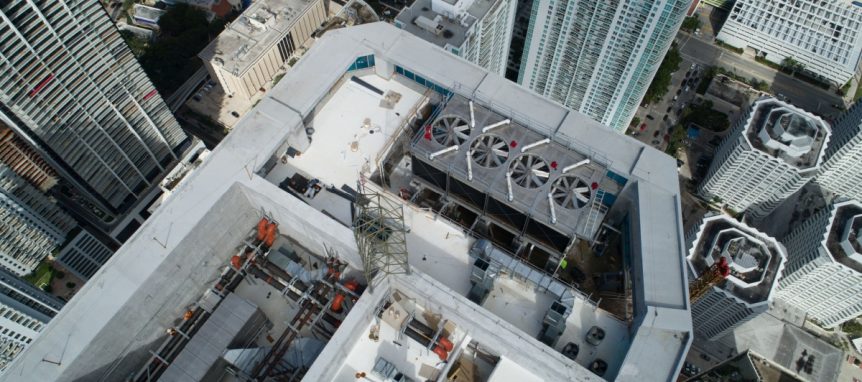
Rust rarely appears overnight. What starts as a small patch of discoloration can gradually evolve into severe structural damage, equipment failure, and costly operational disruptions. For commercial buildings and industrial facilities, understanding the lifecycle of rust is essential for preventing corrosion from turning into a major liability. By recognizing the stages of rust development early, businesses can take proactive action to protect their equipment, maintain efficiency, and avoid expensive repairs.
Stage One: Surface Oxidation Begins
The lifecycle of rust begins when metal is exposed to oxygen and moisture. This chemical reaction, known as oxidation, causes iron atoms within the metal to break down and form iron oxide, commonly referred to as rust.
At this early stage, rust often appears as small orange or reddish-brown spots on the surface of the metal. These spots may seem harmless, but they indicate that the protective barrier on the metal has already been compromised. In Florida’s humid environment, condensation, rain, and salt exposure accelerate this process significantly.
During this stage, corrosion is usually limited to the surface, making it the easiest and least expensive time to address the issue. Proper cleaning, rust removal, and protective coatings can often stop the process before deeper damage occurs.
Stage Two: Corrosion Spreads Beneath the Surface
Once rust forms, it begins spreading beneath the outer layer of the metal. Unlike paint or dirt, rust does not remain contained in one area. It gradually expands, weakening the structure from the inside out.
As corrosion progresses, the metal surface becomes rough, flaky, and uneven. Small cracks and pits begin to form, trapping moisture and allowing the oxidation process to continue more aggressively. This stage is particularly dangerous because the visible rust may represent only a fraction of the actual damage occurring underneath.
In HVAC systems, rust at this stage can reduce airflow, impair heat transfer, and increase energy consumption. In structural components, corrosion weakens the integrity of supports, brackets, and fasteners, creating potential safety hazards.
Stage Three: Structural Weakness and Performance Decline
As rust deepens, the metal begins losing strength and functionality. Corroded components become brittle and less capable of handling normal operational stress. Mechanical systems may start producing unusual noises, vibrating excessively, or operating inefficiently.
In commercial facilities, this stage often results in higher maintenance costs and noticeable performance issues. HVAC systems may struggle to maintain temperature, electrical systems may experience unreliable connections, and machinery may require more energy to operate.
Rust also begins affecting appearance more dramatically during this stage. Visible corrosion on railings, rooftops, ducts, or exterior equipment can negatively impact tenant perception and create concerns about overall property maintenance.
Stage Four: Advanced Corrosion and Equipment Failure
If corrosion is left untreated, it eventually reaches the point of severe deterioration. Metal surfaces may crack, split, or completely fail under pressure. Structural components lose their load-bearing capacity, while mechanical systems become increasingly unreliable.
At this stage, repairs become far more expensive because corrosion has spread beyond isolated areas. Entire sections of equipment, piping, ductwork, or infrastructure may need replacement. Emergency downtime, operational disruptions, and safety risks become much more likely.
For electrical systems, advanced rust can create dangerous fire hazards due to overheating or failed grounding. In HVAC systems, severe corrosion may lead to refrigerant leaks, airflow failures, or complete system shutdowns.
Environmental Factors That Accelerate Rust
Florida’s climate significantly shortens the rust lifecycle. High humidity keeps metal surfaces damp for extended periods, while salt in the coastal air acts as an electrolyte that speeds up oxidation. Frequent rainstorms, flooding, and temperature fluctuations further contribute to moisture buildup and accelerated corrosion.
Even facilities located inland are not immune. Airborne salt and persistent humidity create ideal conditions for rust formation throughout the state. Without preventive maintenance, equipment and infrastructure can deteriorate much faster than expected.
How Preventive Maintenance Interrupts the Lifecycle
The good news is that rust progression can be slowed or stopped with proper maintenance. Regular inspections help identify corrosion during its earliest stages, before major damage occurs. Professional rust removal eliminates existing oxidation, while protective coatings help shield metal surfaces from moisture and oxygen.
Humidity control, proper drainage, and routine cleaning also play important roles in corrosion prevention. Businesses that incorporate rust inspections into their annual maintenance plans often avoid the costly repairs associated with advanced corrosion.
Partnering with specialists like RustyGone helps ensure corrosion is addressed correctly and consistently. Their rust removal and prevention services are designed specifically for Florida’s demanding environment.
Stop Rust Before It Reaches the Breaking Point
Rust follows a predictable lifecycle, beginning with small surface spots and eventually leading to serious structural and operational failures. The earlier corrosion is identified and treated, the easier and less expensive it is to manage. Waiting until rust becomes severe almost always results in higher costs, greater downtime, and increased safety risks.
To protect your facility from corrosion at every stage, contact RustyGone today. RustyGone provides professional rust removal and prevention solutions that help businesses extend equipment life, maintain efficiency, and avoid the damaging effects of long-term corrosion.