
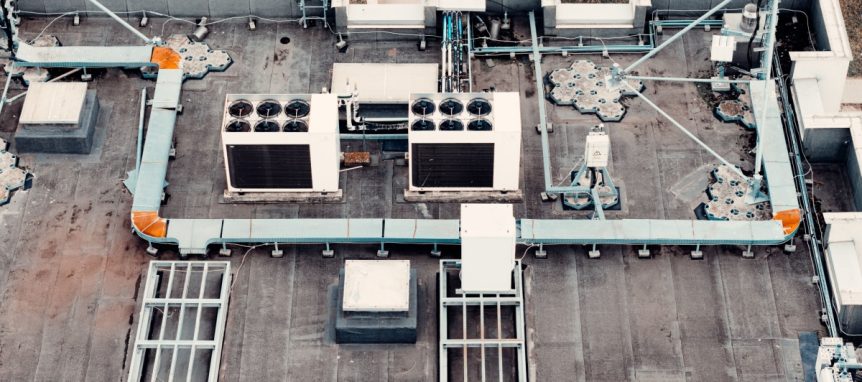
Energy efficiency is a major concern for commercial property owners, facility managers, and business operators. Rising utility costs, sustainability goals, and tenant expectations all place pressure on buildings to perform as efficiently as possible. While many businesses focus on upgrading equipment or improving insulation, one often-overlooked factor can significantly impact energy performance: rust.
Corrosion may seem like a simple maintenance issue, but it can quietly reduce the efficiency of critical building systems, increase energy consumption, and drive up operating expenses. In Florida, where humidity and salt exposure create ideal conditions for rust formation, understanding the connection between corrosion and energy efficiency is especially important.
Rust Creates Resistance and Reduces Performance
Rust forms when metal reacts with oxygen and moisture, creating a layer of corrosion that weakens surfaces and interferes with normal operation. As rust develops, it changes the physical properties of metal components, making them less efficient and more difficult to operate.
In mechanical systems, corrosion increases friction and resistance. Motors, bearings, fans, and moving parts must work harder to overcome this resistance, requiring additional energy to perform the same tasks. The longer corrosion remains untreated, the greater the strain placed on the equipment.
This increased workload not only raises utility bills but also accelerates wear and tear, creating a cycle of declining efficiency and rising maintenance costs.
HVAC Systems Are Particularly Vulnerable
Commercial HVAC systems are among the largest consumers of energy in most buildings. They are also highly susceptible to rust because of their constant exposure to moisture and condensation.
When rust develops on evaporator coils, condenser coils, or other heat-transfer surfaces, the system becomes less effective at moving heat. As efficiency declines, HVAC units must run longer to maintain desired temperatures. This extended runtime translates directly into higher energy consumption.
Corrosion can also affect ductwork, air handlers, and ventilation components. Rust buildup restricts airflow, forcing fans and blowers to work harder. As a result, the entire system becomes less efficient while consuming more electricity.
In Florida’s climate, where air conditioning systems often operate year-round, even small reductions in efficiency can have a significant impact on operating costs.
Poor Airflow Leads to Energy Waste
Airflow is essential to maintaining an efficient indoor environment. When rust accumulates inside ducts, vents, or mechanical components, it can disrupt proper air circulation throughout the building.
Restricted airflow causes HVAC systems to compensate by operating longer and cycling more frequently. Some areas of the building may become too warm while others remain too cool, leading occupants to adjust thermostats unnecessarily. This imbalance increases energy usage and makes it difficult to maintain consistent comfort levels.
Over time, the combination of airflow restrictions and longer operating cycles can substantially increase monthly utility expenses.
Corrosion Affects More Than HVAC Equipment
While HVAC systems are among the most obvious examples, rust can impact many other building systems that contribute to overall energy efficiency.
Corroded piping can reduce the efficiency of heating and cooling systems by restricting water flow. Rust on electrical connections increases resistance, which can result in energy loss and excessive heat generation. Corrosion on rooftop equipment, support structures, and mechanical housings can also compromise performance and shorten equipment lifespan.
These seemingly small inefficiencies add up over time, increasing operating costs throughout the facility.
Hidden Corrosion Creates Hidden Costs
One of the biggest challenges with rust is that much of it develops out of sight. Corrosion often forms inside equipment cabinets, behind access panels, beneath insulation, and in other hard-to-reach areas.
Because these problems remain hidden, businesses may notice higher utility bills long before they discover the underlying cause. By the time rust becomes visible, significant efficiency losses may have already occurred.
Regular inspections are critical for identifying hidden corrosion before it begins affecting system performance. Early detection allows facility managers to address issues while they are still manageable and cost-effective.
Preventive Maintenance Protects Efficiency
The most effective way to combat rust-related energy losses is through proactive maintenance. Routine inspections, professional rust removal, and protective treatments help preserve system performance and prevent corrosion from spreading.
Protective coatings create a barrier between metal surfaces and the moisture that causes oxidation. Regular cleaning removes contaminants that can accelerate corrosion. Monitoring humidity levels and ensuring proper drainage around equipment also helps reduce the risk of rust formation.
Working with corrosion specialists such as RustyGone allows businesses to implement long-term protection strategies tailored to Florida’s demanding climate. Their rust removal and prevention services help facilities maintain efficient operation while reducing the risk of costly repairs.
Better Efficiency Starts With Rust Prevention
Energy efficiency depends on more than modern equipment and smart building technology. The condition of your facility’s systems plays a major role in determining how effectively they perform. Rust increases resistance, restricts airflow, reduces heat transfer, and forces equipment to consume more energy than necessary.
By addressing corrosion early and making rust prevention part of your maintenance plan, businesses can lower operating costs, improve system reliability, and extend equipment lifespan. For professional rust removal and long-term protection solutions, contact RustyGone today. RustyGone helps commercial properties protect their investments while maximizing efficiency and performance year-round.