
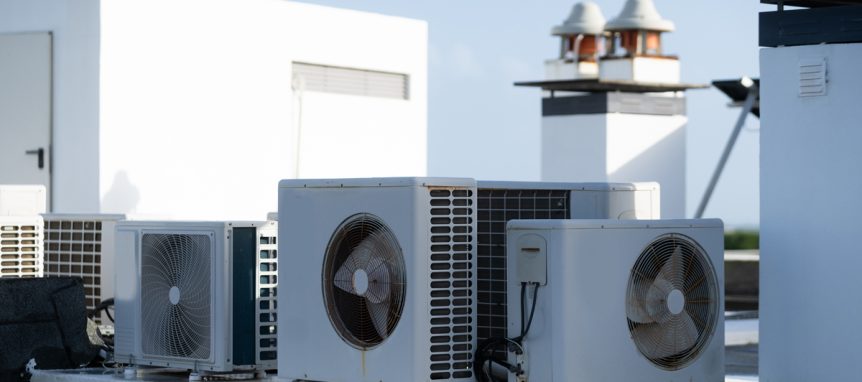
Commercial HVAC systems represent a significant investment for businesses, making their long-term condition an important consideration for property owners and facility managers. In Florida, these systems face an additional challenge from the state’s humidity, frequent rainfall, and coastal salt exposure. Over time, these environmental conditions can contribute to corrosion on exposed metal components.
Rust may begin as a relatively small area of surface oxidation, but ignoring it allows deterioration to continue. Professional rust removal addresses existing corrosion before it progresses further, while protective treatments can help defend restored surfaces against future exposure. For commercial facilities looking to maximize the useful life of their HVAC equipment, corrosion control can be a valuable part of a preventive maintenance strategy.
Why Commercial HVAC Systems Are Vulnerable to Rust
Commercial HVAC equipment frequently operates in environments where moisture is unavoidable. Outdoor units, rooftop equipment, and other exposed components encounter rain, condensation, humidity, and airborne contaminants throughout the year.
Florida’s climate can make these conditions particularly challenging. High humidity provides persistent moisture, while businesses near the coast may also contend with salt carried through the air. Salt and moisture create an especially aggressive environment for exposed metal.
Because commercial cooling systems operate extensively throughout Florida’s warmer months, maintaining the condition of this equipment is particularly important for businesses that depend on reliable climate control.
Rust Can Progress Beyond the Surface
Early corrosion is sometimes dismissed because equipment may continue operating normally. However, rust is more than an appearance issue. Once oxidation begins, continued exposure to moisture can allow deterioration to spread across vulnerable metal surfaces.
As corrosion progresses, coatings can deteriorate and previously protected metal can become exposed. What initially appeared to be a small maintenance concern can eventually affect a larger portion of the equipment.
Professional rust removal helps interrupt this progression by addressing existing oxidation rather than simply covering the affected surface. Removing corrosion properly also prepares the equipment for additional protective treatment.
Professional Surface Restoration Makes a Difference
Effective rust removal involves more than applying paint over a corroded area. If oxidation remains underneath a new surface coating, the underlying problem has not necessarily been resolved.
Professional surface restoration focuses on removing corrosion and preparing the affected metal before protective products are applied. RustyGone uses a process that includes moisture vapor abrasive blasting and nontoxic chemical cleaning to restore affected surfaces.
Proper preparation is important because protective coatings perform best when applied to appropriately restored surfaces. By addressing existing oxidation first, businesses can create a stronger foundation for continued corrosion protection.
Protective Coatings Help Reduce Future Oxidation
Rust removal addresses existing corrosion, but long-term equipment protection also requires consideration of future exposure. Once the affected surface has been restored, a preventive corrosion coating can be applied to provide an additional barrier.
This protective layer helps separate vulnerable metal from the moisture and environmental conditions that contribute to oxidation. For equipment exposed to Florida’s climate throughout the year, this added protection can be particularly valuable.
RustyGone partners with Action Corrosion and uses corrosion protection products as part of its restoration and prevention approach. Combining rust removal with preventive protection addresses both the current condition of the equipment and its future vulnerability.
Extending Equipment Life Can Reduce Replacement Costs
Replacing commercial HVAC equipment can represent a substantial expense, particularly for facilities operating multiple units. Hotels, office buildings, restaurants, retail centers, schools, and other large properties may depend on several systems to maintain comfortable indoor conditions.
Allowing preventable corrosion to progress can contribute to premature deterioration of valuable equipment. Addressing rust earlier helps property managers protect existing assets and potentially postpone replacement caused by extensive corrosion.
Extending equipment life also provides greater flexibility when planning future capital expenditures. Instead of responding unexpectedly to deteriorated equipment, businesses can make replacement decisions according to a more predictable schedule.
A Proactive Approach Is Especially Important in Florida
Corrosion management should not begin only after rust becomes extensive. Commercial property managers can benefit from regularly monitoring exposed HVAC equipment for signs of oxidation, particularly after periods of heavy rain or prolonged humidity.
Coastal properties deserve additional attention because airborne salt can make conditions even more aggressive. Hotels, resorts, condominiums, restaurants, shopping centers, and other commercial facilities near the water should consider corrosion protection as part of their broader equipment maintenance strategy.
Addressing rust while it remains manageable can help prevent more extensive deterioration and preserve the condition of HVAC components for longer.
Protecting the Long-Term Value of Your HVAC Equipment
Commercial HVAC systems are essential to everyday business operations, especially in Florida, where reliable cooling is necessary throughout much of the year. Protecting these systems from corrosion can help businesses preserve valuable equipment, reduce the risk of premature deterioration, and get more value from their investment.
RustyGone specializes in professional rust removal and corrosion protection for commercial HVAC equipment and its components. Their restoration process addresses existing oxidation and provides preventive protection designed for demanding South Florida conditions. To learn more about protecting your commercial HVAC equipment, contact RustyGone today. Taking action when corrosion first develops can help keep valuable equipment protected for years to come.