
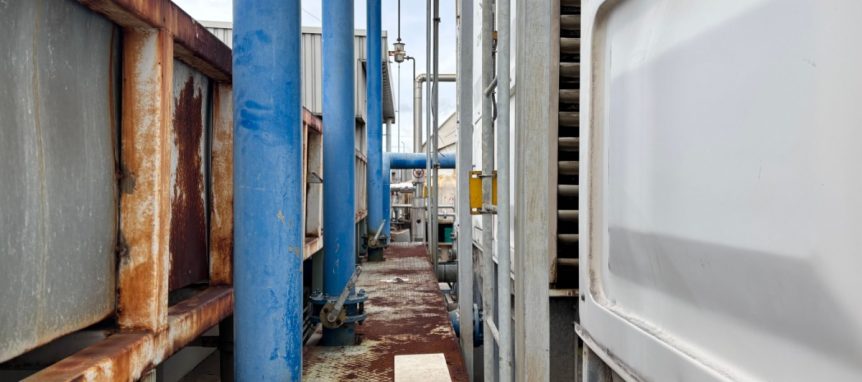
When businesses invest in new equipment, warranties provide peace of mind and financial protection. However, many facility managers and owners are surprised to learn that rust and corrosion can jeopardize that coverage. In humid and coastal environments like Florida, rust is one of the most common reasons equipment warranties are denied. Understanding how corrosion impacts warranties and what you can do to prevent issues is essential for protecting both your assets and your budget.
Why Rust Is a Red Flag for Manufacturers
Most equipment warranties are designed to cover defects in materials or workmanship, not damage caused by environmental conditions. Rust is typically classified as environmental or maintenance-related damage. From a manufacturer’s perspective, corrosion suggests that the equipment was exposed to moisture, salt, or chemicals without adequate protection or upkeep.
Even when rust develops quickly due to climate conditions, manufacturers often argue that proper maintenance or preventive measures could have reduced or avoided the damage. As a result, claims involving corroded components are frequently denied, leaving businesses responsible for repair or replacement costs that would otherwise be covered.
Equipment Most Commonly Affected by Rust-Related Denials
Rust-related warranty issues frequently arise with commercial HVAC systems, electrical equipment, industrial machinery, refrigeration units, and outdoor mechanical components. HVAC coils, cabinets, fasteners, and mounting brackets are especially vulnerable in Florida’s humid air. Electrical enclosures and conduit can also corrode, leading manufacturers to deny coverage due to moisture exposure.
Outdoor-rated equipment is not immune either. While designed to withstand the elements, many systems still require additional protection in coastal or high-humidity areas. Without documented preventive care, even equipment marketed as corrosion-resistant may lose warranty protection.
How Rust Can Void Warranty Coverage
Warranties often include language requiring equipment to be properly installed, maintained, and operated within specified environmental conditions. Rust is commonly cited as evidence that these conditions were not met. If corrosion is visible during a warranty inspection, manufacturers may conclude that moisture intrusion, lack of cleaning, or insufficient protective coatings contributed to the failure.
In many cases, rust does not need to be the primary cause of the malfunction. Even minor corrosion can be enough for a manufacturer to deny a claim, arguing that rust accelerated wear or interfered with normal operation.
The Importance of Preventive Maintenance Documentation
One of the most effective ways to protect warranty coverage is maintaining thorough documentation of preventive care. Regular inspections, cleaning schedules, rust removal treatments, and protective coating applications demonstrate that the equipment has been properly maintained. This documentation can be critical when disputing a denied claim or proving compliance with warranty requirements.
Routine rust inspections also help identify early-stage corrosion before it spreads to critical components. Addressing rust early not only protects warranty coverage but also extends the overall lifespan of the equipment.
What Businesses Can Do to Protect Their Warranties
Preventing rust should begin as soon as equipment is installed. Applying protective coatings, ensuring proper drainage, and controlling humidity in mechanical rooms all help reduce corrosion risk. Equipment located outdoors or near the coast may require additional rust inhibitors or specialized treatments.
Partnering with professionals who understand Florida’s environmental challenges is also key. Companies like RustyGone provide rust inspections, removal, and long-term protection services that support warranty compliance. Their work helps ensure equipment remains in acceptable condition under manufacturer guidelines, reducing the likelihood of denied claims.
Rust Prevention as a Long-Term Investment
Protecting warranties is only one benefit of rust prevention. Consistent corrosion control reduces downtime, improves efficiency, and lowers long-term repair costs. Equipment that stays rust-free performs better, lasts longer, and maintains its value over time.
For businesses operating in demanding climates, rust prevention should be viewed as an essential part of asset management, not an optional service. The cost of preventive care is often far less than the expense of replacing equipment after a denied warranty claim.
Protect Your Equipment and Your Coverage
Rust may seem like a surface issue, but its impact on equipment warranties can be significant. Corrosion is one of the most common reasons manufacturers deny claims, especially in humid and coastal regions like Florida. By understanding how rust affects warranty coverage and taking proactive steps to prevent it, businesses can protect both their equipment and their investment.
If you want to safeguard your warranties and keep your equipment in peak condition, contact RustyGone today. Their expert rust prevention and removal services help businesses stay compliant, avoid costly warranty denials, and extend the life of critical equipment.