
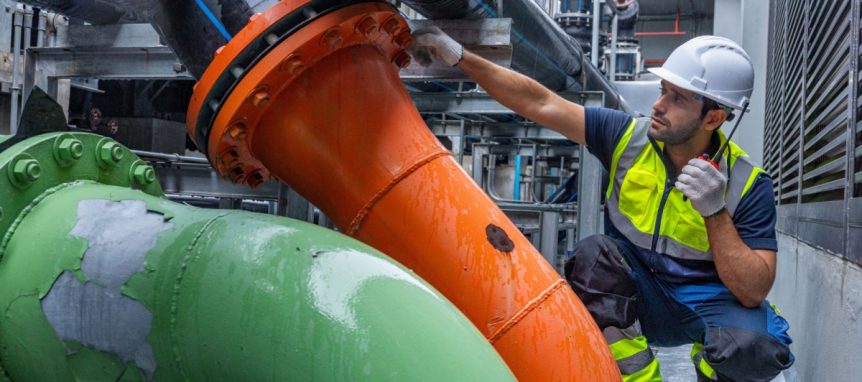
For property managers, tenant satisfaction is one of the most important factors in maintaining occupancy, lease renewals, and long-term profitability. While amenities, location, and customer service often take center stage, the physical condition of a property plays an equally critical role. One issue that is often overlooked but has a direct impact on tenant perception is rust. Corrosion, whether visible or hidden, can affect everything from aesthetics to functionality, ultimately shaping how tenants view and experience a property.
First Impressions Matter
The appearance of a building is one of the first things tenants and visitors notice. Rust stains on exterior surfaces, corroded railings, or deteriorating metal fixtures can quickly create a negative impression. Even if the issue seems minor, it signals a lack of maintenance and attention to detail.
In competitive markets, tenants have many options. A property that appears neglected, even in small ways, may struggle to attract or retain high-quality tenants. Keeping metal surfaces clean, protected, and rust-free helps maintain a professional and well-maintained image that reflects positively on property management.
The Impact on Daily Comfort
Rust is not just a cosmetic issue, it can directly affect how comfortable a space feels for tenants. In commercial properties, corrosion within HVAC systems can lead to poor airflow, inconsistent temperatures, and unpleasant odors. These issues may seem unrelated at first, but they often trace back to rust buildup in coils, ducts, or other components.
For tenants, especially in offices, retail spaces, and residential communities, comfort is a key part of satisfaction. If a space feels humid, poorly ventilated, or difficult to cool, complaints will follow. Addressing rust as part of routine HVAC maintenance helps ensure a consistent and comfortable indoor environment.
Functional Problems That Frustrate Tenants
When rust affects equipment or infrastructure, it often leads to operational issues that tenants notice immediately. Corroded door frames, damaged gates, rusted plumbing components, and failing mechanical systems can create daily inconveniences.
These problems can lead to service calls, delays in repairs, and disruptions to business operations for commercial tenants. Over time, repeated issues can erode trust between tenants and property management. A proactive approach to rust prevention helps minimize these disruptions and keeps systems running reliably.
Health and Safety Concerns
Tenant satisfaction is closely tied to safety. Rust can weaken structural elements, create sharp edges, and contribute to equipment failures. In some cases, corrosion in HVAC systems can also impact indoor air quality by introducing particulates or supporting moisture buildup.
Tenants want to feel confident that the spaces they occupy are safe and well-maintained. Addressing rust before it becomes a hazard not only protects occupants but also demonstrates a commitment to their well-being.
The Financial Impact of Tenant Dissatisfaction
Ignoring rust can have long-term financial consequences. Dissatisfied tenants are less likely to renew leases and more likely to leave negative reviews or seek alternative properties. High turnover increases vacancy rates and leads to additional costs associated with marketing, leasing, and property improvements.
On the other hand, well-maintained properties tend to retain tenants longer, support higher rental values, and attract businesses that prioritize quality environments. Investing in rust prevention is a relatively small cost compared to the potential loss of revenue from tenant turnover.
A Proactive Approach to Property Maintenance
Property managers who prioritize preventive maintenance are better positioned to maintain high levels of tenant satisfaction. Regular inspections for rust, especially in high-risk areas like HVAC systems, rooftops, exterior fixtures, and mechanical rooms, allow issues to be addressed early.
Professional rust removal and protective treatments ensure that corrosion does not return or spread. Partnering with experts like RustyGone helps property managers implement long-term solutions tailored to Florida’s climate, where humidity and salt exposure accelerate corrosion.
By integrating rust prevention into routine maintenance plans, property managers can maintain both the appearance and functionality of their properties.
Protect Your Property and Your Tenants
Rust may seem like a minor maintenance issue, but its impact on tenant satisfaction is significant. From first impressions to daily comfort and long-term reliability, corrosion affects how tenants experience a property. Taking rust seriously means protecting both your physical assets and your relationships with tenants.
To ensure your property remains in top condition and continues to meet tenant expectations, contact RustyGone today. RustyGone provides professional rust removal and prevention services that help property managers maintain clean, safe, and high-performing spaces that tenants are proud to occupy.