
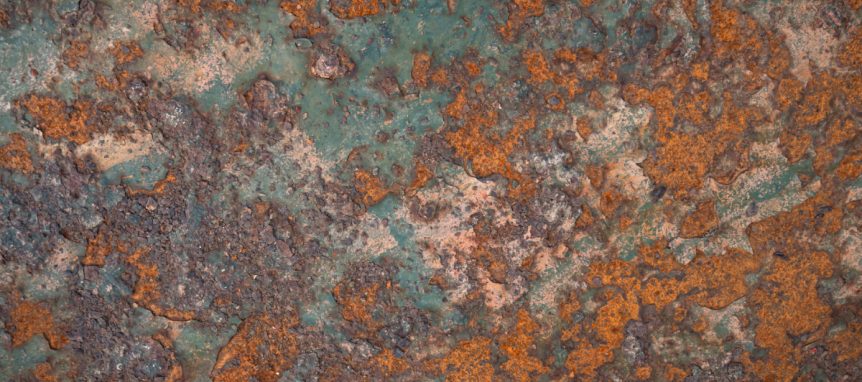
Rooftop HVAC units are a common sight on commercial buildings throughout Florida. They provide an efficient way to cool large spaces while keeping bulky mechanical equipment away from customer and employee areas. However, their location also leaves them exposed to some of the harshest environmental conditions in the state. Heat, humidity, heavy rain, condensation, and coastal salt air can all contribute to corrosion.
For hotels, restaurants, shopping centers, office buildings, medical facilities, condominiums, and other commercial properties, protecting rooftop HVAC equipment from rust can help preserve an important investment. Understanding why these systems are particularly vulnerable is the first step toward developing a more effective corrosion prevention strategy.
Constant Exposure to Florida’s Humidity
Moisture is one of the primary ingredients needed for rust to develop, and Florida has no shortage of it. High humidity means rooftop HVAC equipment can be surrounded by moisture even when it has not recently rained.
Condensation can also develop as temperatures change throughout the day or as HVAC equipment operates. When moisture repeatedly settles on exposed metal surfaces, conditions become favorable for oxidation. Small areas of surface corrosion can gradually spread when the underlying cause is not addressed.
Unlike equipment installed inside a controlled mechanical room, rooftop systems receive very little protection from outdoor humidity. This makes regular monitoring particularly important.
Heavy Rain Creates Additional Moisture Exposure
Florida’s frequent thunderstorms add another challenge. Rooftop equipment is designed to operate outdoors, but repeated exposure to rain can still contribute to deterioration over time, particularly if protective finishes become damaged.
Water can collect around seams, fasteners, equipment bases, and other areas where drainage is limited. If moisture remains in contact with vulnerable metal, corrosion may begin in locations that are not immediately noticeable during a basic visual check.
Storms can also introduce dirt, debris, and other contaminants that remain on equipment after the rain has passed. Keeping rooftop units clean and monitoring areas where water tends to collect can help reduce these risks.
Coastal Salt Air Accelerates Corrosion
Commercial properties near Florida’s coastline face an additional challenge from airborne salt. Ocean spray creates tiny salt particles that can travel through the air and settle on rooftop equipment.
Salt makes moisture more conductive, which can accelerate the electrochemical reactions responsible for corrosion. Rooftop HVAC systems are especially exposed because there are few barriers between the equipment and the surrounding environment.
Hotels, resorts, condominiums, restaurants, retail properties, and other businesses near the coast should pay particular attention to the condition of their rooftop units. Even properties located some distance from the shoreline may experience salt exposure depending on local conditions.
Sun and Heat Can Affect Protective Surfaces
Florida’s intense sunlight and high temperatures can also contribute indirectly to corrosion. Protective finishes help separate metal from the surrounding environment, but years of exposure to sunlight, heat, rain, and temperature changes can gradually affect these surfaces.
Once a protective finish becomes damaged, worn, or compromised, moisture can reach the metal underneath. Rust may then begin around scratches, seams, fasteners, or other vulnerable locations.
Regular maintenance allows property managers to identify deteriorating surfaces before widespread corrosion develops. Addressing these areas early can help preserve the equipment beneath them.
Rust Can Spread Beyond a Small Surface Spot
A small patch of rust may appear cosmetic, particularly when an HVAC unit continues operating normally. However, visible corrosion indicates that oxidation has already started.
If exposure continues, corrosion can spread across metal panels, equipment bases, fasteners, and other components. Over time, deterioration may become more extensive and difficult to restore. This is why simply covering rust with paint may not provide an effective long-term solution. Existing oxidation should be properly removed and the surface prepared before protective treatments are applied.
Preventive Protection Can Extend Equipment Life
Commercial HVAC equipment represents a substantial investment, especially for properties with multiple rooftop units. Allowing environmental corrosion to progress can contribute to premature deterioration and increase the likelihood that components will require repair or replacement.
Professional rust removal can restore affected surfaces before the damage becomes more extensive. Once existing oxidation has been addressed, corrosion-resistant treatments can provide an additional layer of protection against Florida’s demanding environment.
Regularly monitoring rooftop equipment also gives facility managers an opportunity to identify developing problems sooner. Incorporating corrosion control into an overall HVAC maintenance plan can help businesses protect their equipment rather than waiting for rust to become severe.
Protecting Rooftop HVAC Equipment in Florida
Rooftop HVAC systems face constant environmental exposure, and Florida’s combination of humidity, rain, heat, and salt air makes corrosion an ongoing concern. Property managers who recognize these risks can take preventive action to protect valuable equipment and reduce the likelihood of premature deterioration.
RustyGone specializes in professional rust removal and corrosion protection for commercial HVAC equipment and its components. By addressing existing oxidation and helping protect restored surfaces from future corrosion, RustyGone can help Florida businesses get more life from their HVAC investments. If your rooftop units are beginning to show signs of rust, contact RustyGone to learn more about available restoration and protection solutions.